
Foot Club Doctor in Delhi
Clubfoot, medically known as Congenital Talipes Equinovarus (CTEV) , is one of the most common orthopaedic conditions seen in newborns. If your child has been diagnosed with clubfoot, early and proper treatment can help them achieve normal foot shape and funct
Best Foot Club (Clubfoot) Doctor in Delhi – Complete Guide to Clubfoot Treatment for Children
Clubfoot, medically known as Congenital Talipes Equinovarus (CTEV), is one of the most common orthopaedic conditions seen in newborns. If your child has been diagnosed with clubfoot, early and proper treatment can help them achieve normal foot shape and function. Parents searching for a foot club doctor in Delhi or a specialized Clubfoot doctor often look for an experienced paediatric orthopaedic expert who understands how to treat clubfoot effectively and gently.
One such trusted name in Delhi is Dr. Nargesh Agrawal, a paediatric orthopaedic specialist at Child Ortho Care, known for his expertise in clubfoot management using modern, globally accepted techniques.
This comprehensive guide will explain everything you need to know about clubfoot, from causes and symptoms to plastering, bracing, shoes, and surgery options — and why consulting a specialist is crucial for your child’s long-term mobility.
What Is Clubfoot?
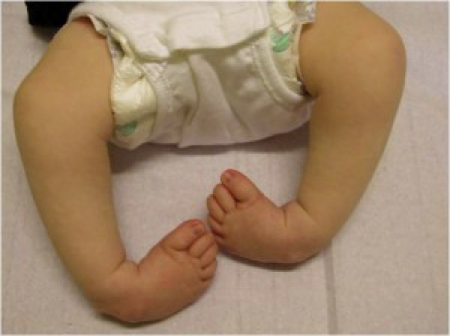
Clubfoot is a birth deformity where a baby’s foot is twisted inward or downward. In most cases, both feet may be affected, but it can also occur in just one foot. Without timely treatment, the child may face issues in walking, balance, or shoe fitting.
Key features of a clubfoot child include:
- Foot pointing downward
- Foot turning inward
- Tight Achilles tendon
- Curved foot shape
- Smaller calf muscles (sometimes)
- Stiff foot movement
The good news? Clubfoot is fully treatable, especially when addressed early with proper guidance from a skilled clubfoot doctor.
Why Early Treatment Matters
Many parents worry when they hear the term “clubfoot,” but early treatment is extremely effective. Most children treated during infancy go on to walk, run, and play normally.
Starting treatment early helps because:
- Baby’s bones are soft and flexible
- Corrective plastering is easier
- Deformity is corrected faster
- Long-term complications reduce significantly
This is why specialists like Dr. Nargesh Agrawal emphasize starting clubfoot treatment within the first few weeks of your baby’s life.
Clubfoot Treatment Options – Complete Breakdown for Parents
- Ponseti Method – The Gold Standard for Clubfoot Treatment
The globally preferred treatment for clubfoot is the Ponseti Method, used by experts worldwide. This method is highly effective, safe, and suitable for newborns and infants.
It includes:
- Clubfoot Plaster (Casting)
This involves weekly plaster casts that gently move the baby’s foot into the correct position. Each plaster slowly corrects one part of the deformity.
How it works:
- Plaster is applied from toes to thighs
- Cast is changed every 5–7 days
- Usually 5–6 casts are required
At Child Ortho Care, clubfoot plastering is done with extreme care to keep the baby comfortable.
- Tenotomy (Minor Procedure)
After correcting the deformity through plastering, a small procedure called tenotomy may be needed to release the tight Achilles tendon.
This is a quick and safe procedure and helps the foot achieve the final correct position.
- Clubfoot Braces
After plaster correction, the most important part is bracing. Clubfoot braces hold the foot in the corrected position and prevent recurrence.
Bracing schedule:
- First 3 months: 23 hours per day
- After that: Night-time bracing until 3–4 years of age
Proper brace usage ensures long-term success.
- Clubfoot Shoes (Special Footwear)
These are specialized shoes attached to a bar that helps keep the foot corrected. Many parents refer to these as clubfoot shoes, and they are essential to prevent relapse.
- Physiotherapy for Clubfoot
Along with plastering and bracing, physiotherapy might be recommended to improve:
- Muscle strength
- Foot mobility
- Walking pattern
- Balance and alignment
A combination of therapy and bracing helps ensure the child walks normally as they grow.
- Clubfoot Surgery (If Needed)
Most children respond well to the Ponseti method and do not need major surgery. However, in rare cases where deformity is severe, surgery may be recommended.
Types of clubfoot surgery include:
- Soft tissue release
- Tendon lengthening
- Bone corrections (in older children)
Surgery is only advised when non-surgical methods don’t work or when treatment starts late.
Why Choose Dr. Nargesh Agrawal for Clubfoot Treatment in Delhi?
If you are searching for a foot club doctor in Delhi or a specialist in clubfoot treatment, Dr. Nargesh Agrawal is a trusted name with expertise in managing infants, toddlers, and older children with clubfoot.
✔ Specialist in Paediatric Orthopaedic Conditions
Clubfoot requires precise and gentle handling, especially in newborns. Dr. Nargesh Agrawal specializes in paediatric cases only, making him highly experienced in this condition.
✔ Expertise in Ponseti Technique
He is trained in the globally accepted Ponseti method, ensuring accurate correction with minimal discomfort.
✔ Child-Friendly Approach
The treatment is done gently so the baby remains comfortable. Parents are also guided on how to handle plaster, braces, and home care.
✔ Advanced Clinic – Child Ortho Care
The clinic provides a dedicated space designed for children, making the overall experience smooth and stress-free.
✔ High Success Rates With Non-Surgical Treatment
Most children treated with Ponseti and bracing achieve normal foot shape without the need for major surgery.
✔ Complete Guidance for Parents
Parents learn:
- How to maintain clubfoot plaster
- How to use clubfoot braces
- How to fit clubfoot shoes
- When to visit for follow-ups
This ensures long-term success.
Signs Your Baby Has Clubfoot
Parents should look out for the following signs:
- Foot looks twisted or curved
- Baby’s foot points downward
- Toes turn inward
- Difficulty in straightening the foot
- One leg appears smaller
If you notice these signs, visiting a clubfoot doctor early is very important.
Common Questions About Clubfoot (FAQ)
- Is clubfoot painful for the baby?
No, newborns do not feel pain due to clubfoot. However, untreated clubfoot can cause walking difficulties later.
- How long does clubfoot treatment take?
The plastering stage lasts 4–6 weeks. Bracing continues for a few years (mainly during sleep hours).
- Can clubfoot come back?
Yes, clubfoot can relapse if braces are not used properly. That’s why following the doctor’s instructions is essential.
- Is surgery always required?
No. Most children recover with plastering and bracing. Surgery is done only in complicated or late-diagnosed cases.
- Can a child with clubfoot walk normally?
Yes. With proper treatment, children walk, run, and play like any other child.
Home Care Tips for Parents
To ensure successful results:
- Keep plaster clean and dry
- Follow brace schedule strictly
- Avoid removing braces without doctor’s advice
- Attend follow-up visits regularly
- Monitor your child’s walking pattern
Consistency is the key to successful treatment.
Conclusion
If your child has been diagnosed with clubfoot, early and proper treatment can ensure a bright and active future. Whether you’re searching for a foot club doctor in Delhi, a clubfoot doctor, or guidance on clubfoot plaster, braces, shoes, or clubfoot surgery, consulting a specialist is essential.
Dr. Nargesh Agrawal at Child Ortho Care offers dedicated, child-friendly, and effective management for clubfoot using the globally recognized Ponseti method. With expert care, personalized treatment, and complete guidance for parents, Child Ortho Care is a trusted centre for clubfoot treatment in Delhi.
Book an Appointment with Dr. Nargesh Agrawal
Tell us about your child's condition — the team replies within 24 hours. International patient desk available.
Ready to talk to Dr. Nargesh Agrawal?
Book a consultation. Most appointments confirmed within 24 hours.