CTEV Treatment in Noida
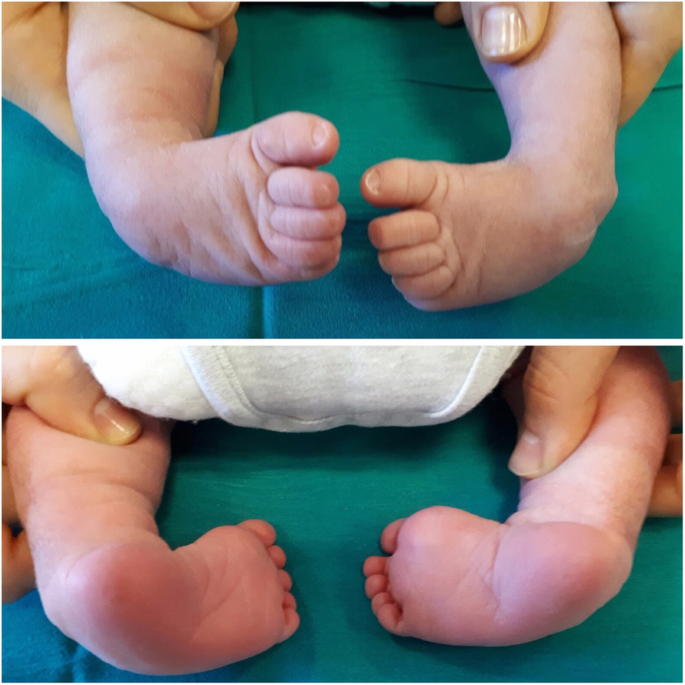
CTEV stands for Congenital Talipes Equinovarus — a condition present at birth where:
What Is CTEV (Clubfoot)?
CTEV stands for Congenital Talipes Equinovarus — a condition present at birth where:
- The foot points downward (equinus)
- The heel turns inward
- The front of the foot curves inwards (varus)
- The foot appears rigid and stiff
Without proper intervention, CTEV can lead to difficulty in walking, abnormal gait patterns, pain, and long-term functional limitations.
Why Early CTEV Treatment Matters
Children’s bones are soft and flexible during infancy, which makes them highly responsive to correct positioning and gradual correction techniques. Early treatment — ideally within the first few weeks of life — results in:
✔ Higher success with non-surgical methods
✔ Reduced need for extensive surgery
✔ Faster correction and recovery
✔ Better long-term foot function
✔ Normal gait and activity levels
Delaying treatment may lead to rigid deformities requiring complex surgeries and extended rehabilitation.
Causes of CTEV
Although the exact cause is not always clear, CTEV may occur due to:
- Genetic predisposition
- Abnormal fetal foot position in the womb
- Neuromuscular conditions
- Family history of clubfoot
An experienced paediatric orthopaedic doctor will assess your child thoroughly and explain the likely cause and individualized treatment plan.
Advanced CTEV Treatment Options in Noida
Noida offers modern and child-friendly CTEV treatment plans performed by specialists trained in the latest techniques.
- Ponseti Method — Gold Standard Treatment
The Ponseti method is the most effective and widely accepted approach for treating CTEV worldwide.
It includes:
✔ Gentle manipulation of the foot
✔ Serial plaster casting every 5–7 days
✔ Percutaneous Achilles tendon release (if required)
✔ Bracing (foot abduction orthosis) for maintenance
This method has a high success rate (over 90%) when applied by trained paediatric orthopaedic experts.
- Bracing for Prevention of Relapse
After achieving correction through casting, your child will wear a special brace to maintain foot position. Consistent bracing ensures that corrected feet remain aligned during growth.
- Surgical Correction (Only When Needed)
In rare or resistant cases, surgery may be recommended to release tight tendons or realign bones. Modern surgical techniques aim to be minimally invasive and growth-preserving.
What to Expect During the Treatment
Initial Consultation & Evaluation
Your baby’s foot alignment, flexibility, and gait (if walking age) are assessed.
Imaging & Diagnosis
X-rays or clinical measurements help understand the severity of CTEV.
Customized Treatment Plan
Based on severity and age of the child.
Correction Phase
Weekly casting followed by bracing.
Follow-Up & Monitoring
Regular check-ups ensure that correction is maintained and growth is normal.
Benefits of Choosing CTEV Treatment in Noida
✔ Access to specialised paediatric orthopaedic care
✔ Experienced surgeons trained in Ponseti and pediatric techniques
✔ Comfortable clinical setup for infants and young children
✔ Structured follow-ups that support long-term success
✔ Minimal need for invasive surgery when early treatment is done
Signs Your Child May Need CTEV Treatment
Parents should consult a specialist if they notice:
✔ Foot turned inward at birth
✔ Feet that cannot be placed flat
✔ One foot different in shape from the other
✔ Abnormal gait in older toddlers
✔ Frequent tripping or difficulty walking
Frequently Asked Questions (FAQs)
Q: At what age should CTEV treatment start?
A: Ideally within the first few weeks after birth for best outcomes.
Q: Is casting painful?
A: No — the Ponseti casting is gentle and painless for babies.
Q: Does every child need surgery?
A: No. Most children achieve full correction with the Ponseti method and bracing.
Conclusion
CTEV (clubfoot) doesn’t need to limit your child’s life — with early and expert care, most children grow up with normal, pain-free feet and full mobility.
If you are looking for reliable CTEV Treatment in Noida, choose a trained paediatric orthopaedic doctor who is experienced in the Ponseti method and child-centred care. Early diagnosis, structured correction, and dedicated follow-up can ensure your child enjoys a healthy, active future.
Book an Appointment with Dr. Nargesh Agrawal
Tell us about your child's condition — the team replies within 24 hours. International patient desk available.
Ready to talk to Dr. Nargesh Agrawal?
Book a consultation. Most appointments confirmed within 24 hours.